.png)
Methylene Blue: The Brain-Boosting Blue Dye for Mind and Mood

Methylene Blue (MB) might sound like something from a chemistry set – in fact, it is a dye – but it’s also a fascinating compound with potential benefits for your brain and body. Hi, I’m Dr. Rucker, and I want to walk you through why this “magic blue” substance is generating buzz in wellness circles. We’ll keep it casual and clear, covering how MB could enhance cognition, protect the brain (think Alzheimer’s and Parkinson’s), improve mood, and even slow aspects of aging. We’ll also talk about why pharmaceutical-grade quality matters (spoiler: purity and safety are key) and how to use MB responsibly. Let’s dive in!
What Exactly is Methylene Blue?
Originally created in the 19th century as a textile dye, Methylene Blue (scientifically known as methylthioninium chloride) has an unusual double life as a medication. In fact, back in 1886, Dr. Paul Ehrlich dubbed it a “magic bullet” after discovering MB selectively targets certain tissues – it famously turns nerves and cells blue under the microscope. For decades, MB has been used medically (for example, to treat a blood condition called methemoglobinemia), but researchers have rediscovered MB’s potential for the brain. It turns out this blue dye is also a potent nootropic (cognitive enhancer) and neuroprotective agent. In simple terms, MB can enter the brain, boost cell energy and act as an antioxidant, which may help our neurons work better and stay healthier.
How does it work? At low doses, MB acts as an “electron shuttle” in our mitochondria – the power plants of cells – helping them make energy more efficiently while mopping up harmful free radicals. This unique mechanism is very different from typical drugs. It means MB can enhance cell respiration (oxygen use) and protect against oxidative stress. These effects set the stage for a range of benefits, from sharper memory to potentially slowing disease processes. Let’s break down those benefits one by one.
Boosting Cognitive Function and Memory
One of the most exciting areas of MB research is cognitive enhancement – basically, helping the brain work a bit better. If you’re looking for a mental edge (who isn’t these days?), MB shows promise in improving memory and focus. The idea is that by supercharging mitochondrial function in brain cells, MB helps neurons fire on all cylinders.
Sharper memory: Small human studies have found that MB can improve memory even after a single dose. In one placebo-controlled trial, healthy volunteers given a low dose of MB performed about 7% better on short-term memory tasks than those given a placebo. What’s more, brain imaging (fMRI scans) in that study showed increased activation in brain areas involved in memory and attention when MB was on board. In plain English, MB made the brain light up and remember more.
Better focus and attention: Participants in the above study also showed improvements in sustained attention. Many users anecdotally report a sense of mental clarity or quicker thinking with low-dose MB, which aligns with the idea that neurons are producing energy more efficiently. By enhancing neurotransmitters and blood flow in the brain’s prefrontal cortex and other regions, MB might help you stay on task more easily.
Enhanced memory consolidation: Beyond quick recall, MB seems to aid the brain in forming and keeping memories. Animal research has demonstrated that MB improves memory retention by acting during the memory consolidation phase (when new memories “stick”). For instance, in memory-impaired mice, MB treatment led to significantly better maze navigation and memory of object locations. In some cases MB was as effective as a standard Alzheimer’s drug in preventing memory loss in these models. This suggests MB might help protect memory pathways from damage or dysfunction.
Real-world example: Think of an older adult with mild forgetfulness or a student prepping for exams. While research is ongoing, MB could potentially help their brain form stronger memories of that new grandchild’s name or all those textbook facts. It’s not a magic cure for memory problems, but these early findings show MB gives a measurable cognitive boost in certain settings.
Neuroprotection: Shielding the Brain (Alzheimer’s & Parkinson’s)
Keeping our brains healthy as we age is a top priority. MB’s effects on neuroprotection are being studied for serious conditions like Alzheimer’s disease (AD) and Parkinson’s disease (PD). The goal is not just boosting function now, but protecting neurons long-term from damage and decay.
Alzheimer’s disease (AD): MB has a unique ability to interfere with the formation of the tangled proteins (tau aggregates) that build up in Alzheimer’s brains. Pharmaceutical companies have even developed an MB-derived drug to target Alzheimer’s. In clinical research, results have been mixed, but there are glimmers of hope: in one trial, patients with mild cognitive impairment (an early stage of AD) who took a high-dose MB derivative for a year were only half as likely to progress to Alzheimer’s compared to those on placebo. Brain biomarkers also hinted at slower neurodegeneration in the MB group. While the overall study didn’t meet all its goals (and MB is not an approved AD treatment yet), these findings suggest MB might slow down disease progression for some when used early. In short, MB’s antioxidant and anti-tangle properties could give neurons a fighting chance against Alzheimer’s pathology.
Parkinson’s disease (PD): Parkinson’s is characterized by the loss of dopamine-producing neurons and issues with movement and even smell. MB’s mitochondrial support is especially relevant here, because impaired cell energy metabolism and oxidative stress are big factors in PD. In promising preclinical studies, low-dose MB protected brain cells in Parkinsonian mice: it preserved dopamine neurons and improved motor function. Even more remarkably, MB restored the mice’s sense of smell, an early symptom of PD that current medications don’t fix. Although human trials are needed, these results suggest MB could slow neuron loss in PD and help with both movement and non-motor symptoms. Researchers are excited by the idea that a safe, oral compound might shield the brain’s critical cells from the damage of Parkinson’s.
Stroke and brain injuries: Beyond AD and PD, MB’s neuroprotective talents are being explored in stroke models and traumatic brain injury. Its ability to reduce oxidative damage and bolster energy production may help brain tissue resist injury and recover better. This is still an emerging area, but it underscores MB’s role as a sort of cellular safeguard for the brain.
Why it matters: Neurodegenerative diseases like Alzheimer’s and Parkinson’s develop over years as cumulative damage builds up. A substance that can penetrate the brain, reduce protein clumps, and keep mitochondria healthy might slow that damage. MB isn’t a silver bullet (despite the “magic bullet” nickname), but used alongside other medical therapies, it could become part of a brain-protection regimen – much like antioxidants for your brain. It’s exciting to imagine a future where something as accessible as a blue tablet helps keep our memories intact and our movements steady.
Lifting Mood and Improving Mental Health
Beyond memory and neuroprotection, Methylene Blue also shows mood-lifting and mental health benefits. This is an area where science and history intersect: MB was actually experimented with in psychiatry over a century ago, and modern research is revisiting it for conditions like depression and anxiety.
Mood enhancement: Low-dose MB has mild antidepressant effects. It’s thought to work partly by boosting neurotransmitters like serotonin and dopamine (since MB at certain doses inhibits monoamine oxidase, an enzyme that breaks down those mood chemicals). Clinical studies support MB’s mood benefits: for example, a trial in people with hard-to-treat bipolar disorder found that adding MB (300 mg/day) as an adjunct to their regular treatment significantly reduced residual depressive symptoms over a period of several months. Patients on MB reported feeling less down and also had less anxiety, without any increase in manic symptoms. In fact, the anxiolytic (anti-anxiety) effect was significant, suggesting MB can help calm the nervous system
Clinical example: In the bipolar study, patients who often still felt some depression despite other meds experienced noticeable improvement when MB was introduced. Think of MB here as giving an extra “oomph” to mood stabilization. Another smaller study in patients with severe depression showed trends of improvement as well. While MB isn’t a mainstream antidepressant, these results hint that it can be a valuable add-on therapy for mood disorders. Researchers have even noted MB’s potential in reducing obsessive or ruminative thoughts and in conditions like seasonal depression – though more data is needed.
Brain energy and mood: One reason MB might help mood is the same reason it helps cognition – better energy metabolism in brain cells. Depression has been linked to mitochondrial dysfunction and oxidative stress in the brain. By countering those, MB could improve overall brain health, which often manifests as improved mood and cognitive clarity. Users sometimes describe a subtle uplift in mood or motivation on days they take MB (typically in microdoses of a few milligrams).
Caution – not too high! It’s worth noting that MB follows a “hormetic” dose response, meaning low doses help but high doses can actually have opposite effects
. Very high doses of MB (far above the wellness dosages) can cause side effects and even worsen mood or anxiety, so more is not better. Always stick to recommended doses and work with a doctor, especially since MB can interact with certain antidepressants. (For instance, combining MB with SSRIs can raise serotonin too much – a reminder that MB is biologically active and should be treated with respect.)
In summary, MB shows promise as a mood-brightener and anxiety soother in addition to its cognitive perks. It’s like an old tool getting new polish in the mental health arena. If you struggle with low mood or anxiety, MB isn’t a standalone cure, but it might enhance the effects of therapy or medication (under professional guidance).
Anti-Aging Effects and Cellular Energy
Who wouldn’t want to slow down aging? A key theory of aging involves mitochondrial decline and oxidative damage over time. Here’s where Methylene Blue’s profile as a mitochondrial booster and antioxidant gets people intrigued about anti-aging effects:
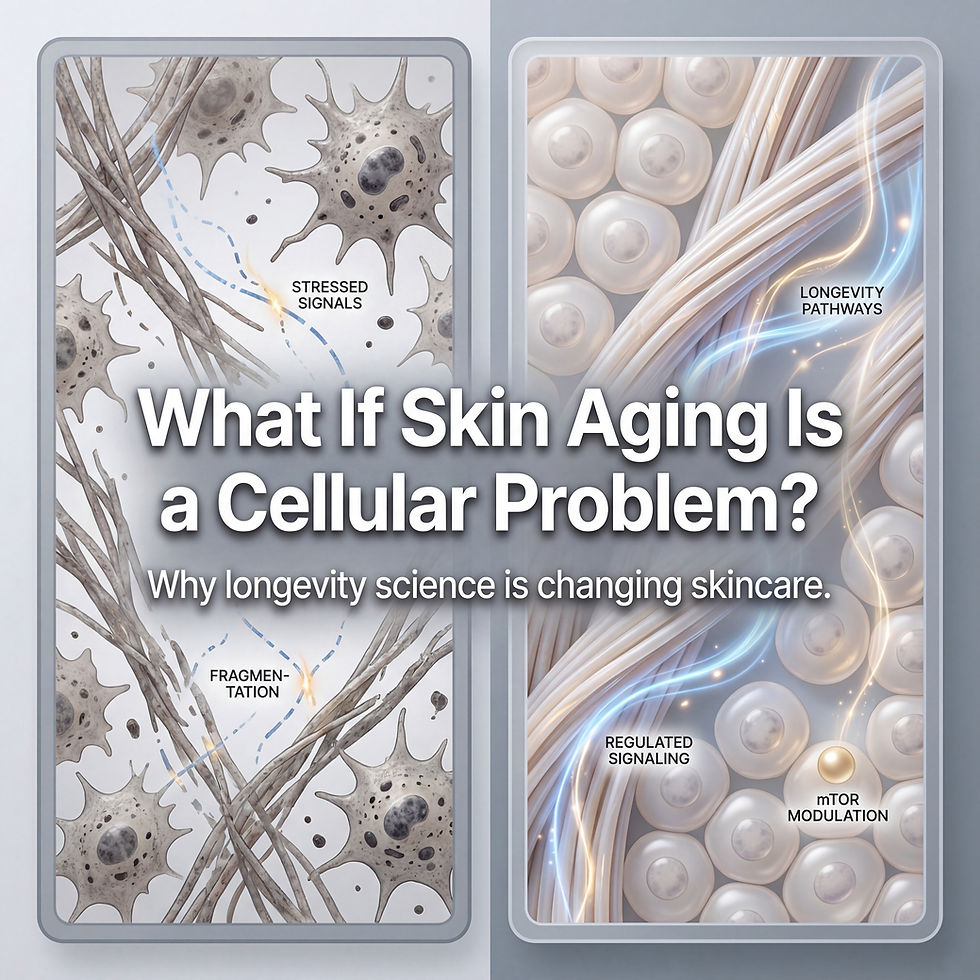
Cellular anti-aging: In lab studies, MB has been shown to delay cellular senescence (the process by which cells age and stop dividing) and improve the function of old cells. For example, one study on human skin cells found that MB was more effective than other antioxidants at neutralizing reactive oxygen species and stimulating fibroblast growth, which are cells that produce collagen and support skin structure. MB-treated skin cells not only survived longer, but they also behaved more youthfully – they had better wound healing, higher collagen and elastin production, and thicker dermal tissue formation in a 3D skin model. In plain terms, MB made skin cells act younger and healthier, hinting at a real anti-aging impact at the cellular level.
Mitochondrial rejuvenation: Aging is often accompanied by tired, inefficient mitochondria. MB’s unique ability to donate and accept electrons (kind of like a molecular rechargeable battery) can rejuvenate mitochondrial function. Research in animals has shown low-dose MB can increase mitochondrial enzymes like cytochrome oxidase and improve muscle endurance and brain metabolic activity. By keeping the cellular power supply humming, MB may protect tissues from the energy decline that comes with age. There’s even evidence that MB can reduce inflammation and oxidative stress in the brain, which are factors in age-related cognitive decline
Longevity research: While it’s too early to say MB will extend lifespan in humans, various model organisms (from worms to mice) are being tested to see if MB supplementation leads to longer, healthier lives. Some studies in worms have indeed found lifespan extension with MB, thanks to its antioxidant effects. In mammals, we see improvements in age-related symptoms (like improved memory in older animals and less neural degeneration). It’s a thrilling area of research – essentially trying to translate MB’s cellular benefits into tangible anti-aging outcomes.
Skin and appearance: Given the skin fibroblast findings, there’s buzz about MB in the skincare world. Topical MB creams are being explored to reduce wrinkles and UV damage. The logic is straightforward: by fighting oxidative stress in the skin and boosting collagen, MB could keep skin firmer and more hydrated. Early results are positive, with long-term MB application showing no toxicity and noticeable improvements in skin elasticity. So, MB might not just be good for the brain, but could become part of your future anti-aging skincare routine!
In essence, MB attacks aging at a fundamental level – the cell’s engines and repair mechanisms. It’s as if MB gives cells a tune-up, clearing out some rust (oxidative damage) and amping up the energy. While we await more human data, the existing evidence positions MB as a compelling longevity-supporting supplement for the wellness-minded.
Why Pharmaceutical-Grade Quality Matters
Now, before you rush out to grab anything labeled “methylene blue,” we need to talk quality. Not all MB is created equal. Pharmaceutical-grade Methylene Blue is a must if you’re considering taking it for health purposes. Here’s why quality and purity are non-negotiable:
Purity and Safety: Pharmaceutical-grade MB (often marked USP or lab-tested) is >99% pure and free of contaminants. Industrial or “fish tank” grade MB (yes, MB is also used in aquariums to treat fish diseases!) may contain heavy metals like arsenic or mercury, or other impurities. Using only pharma-grade MB ensures you’re not ingesting harmful junk along with the active compound
. High-grade MB is manufactured under strict standards so that what’s on the label is what’s in the bottle, with no surprises.
Dosage Accuracy: When you buy pharmaceutical-grade MB, especially from a reputable compounding pharmacy or supplement provider, the concentration is precise. This is crucial because dosing with MB can be a bit finicky – a tiny amount (like 5–10 mg) is a typical nootropic dose. With a quality product, you can trust that each drop or pill has the right amount of active ingredient for consistent results. Lower grade products might be inconsistently mixed, leading to potential underdose or overdose. Dosage accuracy is also important to avoid side effects; with pharma-grade, you can start low and titrate safely under guidance.
Regulation and Testing: Pharmaceutical-grade MB usually comes from labs that follow Good Manufacturing Practices (GMP) and often require a prescription or pharmacist oversight. This means the product has been tested for potency, sterility (if injectable), and shelf stability. Reputable suppliers will provide a certificate of analysis confirming that the MB has passed tests for purity (no solvents, no heavy metals, etc.). All of these measures minimize any risk of contamination
and ensure you’re getting a clean product. When it comes to something you put in your body, this level of scrutiny is worth every penny.
Avoiding Counterfeits or Unsafe Sources: Unfortunately, the growing popularity of nootropics means some online sellers might offer cheap, non-pharma MB advertised for human use. This is where you should be very cautious. Always source MB from a trusted medical supplier or pharmacy – ideally one that is PCAB-accredited (a pharmacy accreditation for compounding quality). Such providers prioritize pharmaceutical-grade ingredients and quality sourcing
. The difference might be as stark as a clear blue solution (quality MB is usually sold dissolved in water or as high-purity powder) versus a murky solution (impure MB can have a bluish-green or inky appearance from contaminants).
In short, quality matters hugely with Methylene Blue. The good news is pharmaceutical-grade MB is readily available – some companies even specialize in ultra-pure MB for human use. Always check that it’s labeled for USP or pharmaceutical use, and when in doubt, ask the manufacturer for purity data. Cutting corners here isn’t worth it; a contaminated product could do more harm than good.
Peace of mind tip: When you use pharmacy-grade MB, you can focus on the potential benefits without worrying about what else might be lurking in your bottle. It’s one of those cases where spending a little more for a vetted source is absolutely justified by the safety it buys you.
Using Methylene Blue Safely and Next Steps
If you’re now curious about trying Methylene Blue for its cognitive or wellness benefits, that’s great – but remember, safety first:
Consult a healthcare professional: Because MB is a powerful bioactive compound, you should talk to your doctor or a knowledgeable healthcare provider before starting it. They can help determine if it’s appropriate for you, especially if you have any medical conditions or take medications (for example, SSRIs, SNRIs, or MAO inhibitors for depression – these can interact with MB). As with any supplement, a doctor’s guidance ensures it fits into your overall health plan.
Start low and go slow: Dosing for nootropic or anti-aging purposes is typically low (for instance, 1–2 mg/kg body weight at most, or often a flat dose like 5–10 mg daily in adults). Some people even use microdoses around 0.5 mg. Starting with a low dose lets you monitor how you feel and catch any sensitivity. Do not exceed recommended doses without medical supervision – higher doses won’t necessarily give more benefit and could introduce side effects like headaches or dizziness, or in extreme cases, cause serotonin syndrome if combined improperly.
Use pharmaceutical-grade MB: We’ve hammered this point already, but it bears repeating as a step – ensure you obtain pharma-grade Methylene Blue from a trusted source. This might be through a compounding pharmacy (many will ship with a prescription) or a reputable supplement company that provides purity testing. Avoid using that bottle from the pet store or some unverified online seller. Your brain and body deserve the cleanest form of MB.
Watch for side effects: At the low doses discussed, MB is generally well-tolerated. Common mild side effects can include a slight headache, digestive upset, or dizziness in some people. One very obvious side effect: MB will turn your urine (and sometimes stools) blue-green – this is normal and harmless, so don’t be alarmed! If you notice any significant adverse effect, stop using it and consult your doctor. Also, if you have a G6PD deficiency (a genetic enzyme condition), high doses of MB are contraindicated, so medical consultation is crucial in that case.
Track your results: Because MB is still an emerging wellness tool, it can be helpful to note what benefits you experience. Do you feel more alert? Is your mood better? How’s your memory or focus? Keeping a journal can help you and your provider assess its effects and adjust the plan if needed. Some people cycle MB (e.g., 5 days on, 2 days off) to prevent tolerance, though research on that isn’t settled.
Finally, let’s talk about a call to action for your health: If cognitive enhancement, neuroprotection, or healthy aging interest you, consider discussing Methylene Blue with your healthcare provider. Under professional supervision, it could be a valuable addition to your wellness regimen. Always source it from a trusted, pharmaceutical-grade supplier – quality and purity will make all the difference in reaping benefits safely.
Interested in trying Methylene Blue? Our clinic/website offers pharmaceutical-grade Methylene Blue that meets rigorous quality standards, and we can work with you and your physician to integrate it safely into your routine. Sometimes a little blue can do a lot of good – and we’re here to ensure you get those benefits in the safest way possible.
Takeaway: Methylene Blue is an old molecule finding new life as a booster for brain health, mood, and longevity. It’s a perfect example of modern wellness meets classic science. With the right guidance and high-quality product, you might find that this blue dye adds a very positive hue to your health journey. Here’s to clearer minds, brighter moods, and healthy aging – all thanks to a touch of blue!
References: Clinical and research findings mentioned above come from emerging scientific literature on Methylene Blue’s effects. Key studies include memory and fMRI research in healthy individuals
, trials in neurodegenerative conditions
, mood disorder studies
, and cellular experiments on MB’s anti-aging properties
. As research continues through 2024 and beyond, we’ll keep learning more about how to harness this fascinating compound for better health. Always stay informed and consult professionals when exploring supplements like these.


Comments